.svg)

Most people think of cleaning as a subtraction. The cleaner comes in, removes dirt and bacteria, and leaves. The space is returned to a neutral state.
This is not what happens.
Cleaning with conventional products is not just a removal process. It is also a deposit process. The products used to clean your home or office leave behind a chemical residue on every surface they touch. That residue is not inert. It is not temporary. And depending on what is in the products being used, it contains compounds that have been documented to enter the human body through skin contact, through food prepared on treated surfaces, and through the ingestion of house dust that has absorbed them over days and weeks.
The space looks clean. But the chemistry of the cleaning has not left. It is sitting on your counters, your floors, your desk surfaces, and the textiles in your space, waiting to be transferred to the next person who touches them.
This article is about the specific compounds that do this, the mechanisms by which they enter the body from treated surfaces, how long they persist, and what the documented health consequences of this ongoing exposure look like.
The Fundamental Misunderstanding About How Cleaning Products Work
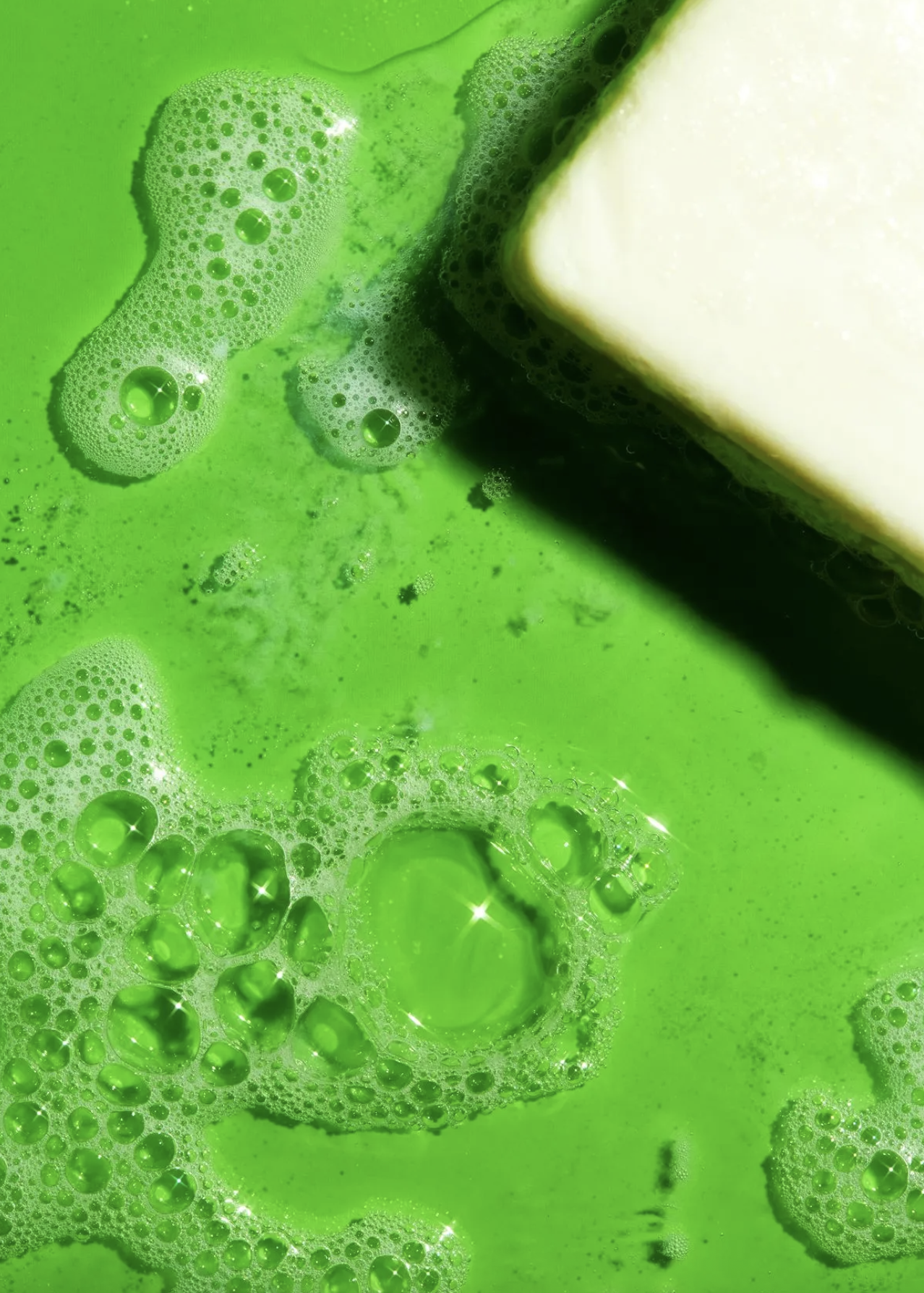
When a cleaning product is applied to a surface and wiped, the active cleaning components do their work: surfactants lift and suspend dirt, antimicrobials kill bacteria and fungi, solvents dissolve grease. Then the visible liquid is removed with a cloth or mop.
What is not removed is the chemical residue that remains in the microscopic film left behind on the surface. This is not a product defect or misuse problem. It is inherent to how cleaning product chemistry functions. The antimicrobial compounds in disinfectants are specifically designed to remain active on surfaces after application. That residual activity is, from an antimicrobial standpoint, a feature. The surface continues killing bacteria for hours or days because the active compounds are still present.
The problem is that those same compounds do not distinguish between bacteria and the humans subsequently touching those surfaces.
A 2023 review published in Toxicology and Environmental Health Sciences examining chronic exposure to quaternary ammonium compounds found that dermal absorption following proper application of QAC products to hard surfaces is predicted to be up to seven magnitudes higher than handwashing, and significantly above the maximum acceptable dose. Once applied to hard surfaces, QAC residue can remain on the disinfected objects, surfaces, or adsorbed to solid airborne particles until it is wiped or rubbed off.
Seven orders of magnitude higher dermal absorption from touching a treated surface than from washing hands with the same compound. This is not a marginal difference. This is the difference between negligible exposure and significant exposure, produced by the simple act of touching a recently cleaned counter, desk, or floor.
Quaternary Ammonium Compounds: The Residue That Stays on Every Surface
Quaternary ammonium compounds, or quats, are the active antimicrobial ingredient in most antibacterial sprays, disinfecting wipes, and commercial cleaning products. They became ubiquitous during the COVID-19 pandemic when disinfecting product use expanded dramatically. They remain among the most widely used cleaning chemicals in both residential and commercial settings.
The persistence of quats on surfaces is a well-documented phenomenon in the scientific literature. Research published in Environmental Science and Technology on quats as a class of emerging concern noted explicitly that if not wiped off after disinfection, QACs can stay on surfaces, leading to postapplication exposure. The exposure routes include touching disinfected hard surfaces, hand-to-mouth contact including ingestion of both surface residues and dust-bound QACs, and dermal absorption of chemicals present on hands after surface-to-hand contact.
A modeling study found that hand-to-mouth contact contributed more than 90 percent of postapplication exposure after quats were applied to indoor hard surfaces. For shorter chain QAC compounds, dermal absorption also contributes.
The persistence extends beyond hard surfaces. Based on their affinity for materials like cotton and rayon, significant residues of QACs are likely to remain on textile surfaces long after application. This means the fabric surfaces in your home or office, upholstered furniture, curtains, rugs, and clothing stored in recently cleaned spaces, carry quat residues that transfer to skin on contact.
A study analyzing blood samples from 43 volunteers from a college campus found that 35 of the volunteers had at least one type of quat in their blood. This is not factory workers or people with unusual occupational exposure. These are college students living and working in conventionally cleaned environments. Quat exposure is widespread enough to produce measurable blood concentrations in a general population sample.
The health concerns documented for quat surface residue exposure include respiratory irritation, asthma, skin sensitization, contact dermatitis, and potential reproductive toxicity. Research cited in the Massachusetts Toxic Use Reduction Institute fact sheet on quats noted that residues from treated surfaces, including utensils, countertops, equipment, and appliances, can migrate to food, resulting in ingestion by humans.
This is a specific food safety concern in addition to the dermal exposure pathway. A kitchen counter cleaned with a quat-based product and then used for food preparation is a surface where quat residue is present in contact with food. This is not a contamination event. It is the predictable result of using quat-containing products on food contact surfaces.
Phthalates: The Invisible Film That Persists in House Dust
Phthalates enter homes and offices primarily through two pathways: they are present in cleaning product fragrances as undisclosed components, and they migrate from building materials and household products over time. Once in the indoor environment, they do not rapidly dissipate. They settle into house dust, deposit onto surfaces, and persist in the indoor environment for extended periods.
The research on phthalates in house dust is among the most comprehensive bodies of evidence for indoor chemical persistence. A study published in PLOS One calculated daily phthalate intakes for 431 Danish children between ages 3 and 6 using urine samples and dust collected from their homes and daycare centers. For several phthalate compounds, exposures to air and dust in the indoor environment accounted for nearly the entire total intake. Dermal absorption from gas-phase phthalates in indoor air was identified as the major exposure pathway.
The floor-level concentration of phthalates is particularly significant from a children's exposure standpoint. A study examining phthalate exposure and allergies in children found that house dust from low surfaces such as living room floors played a meaningful role in the indoor environmental exposure pathway, with floor dust concentrations showing stronger correlations to children's phthalate body burden than dust collected from higher surfaces.
For young children who crawl and play on the floor and have frequent hand-to-mouth activity, dust ingestion has been determined to be a major non-dietary exposure route for several classes of semi-volatile organic compounds including phthalates.
The TESIE study, one of the most comprehensive phthalate residential exposure investigations conducted in North America, found that phthalate metabolites were detected in all children's urine samples, with phthalates detected in almost all hand wipe samples and dust. Floor-level concentration and hand-to-mouth behavior create a continuous exposure cycle that is refreshed every time the space is cleaned with products containing phthalate-carrying fragrance compounds.
Phthalates are classified as endocrine disruptors. The peer-reviewed literature has linked chronic phthalate exposure to changes in fertility, early puberty, low birth weight, obesity, diabetes, immune system impacts, and cardiovascular and respiratory problems. The indoor dust of a home cleaned with fragranced conventional products is a continuous phthalate delivery mechanism for everyone spending time in that space.
Triclosan: The Antimicrobial That Accumulates in Indoor Dust and Promotes Antibiotic Resistance
Triclosan is an antimicrobial compound used in antibacterial cleaning products, soaps, and disinfectants. The FDA banned it from over-the-counter hand soaps in 2016 due to concerns about endocrine disruption and antibiotic resistance promotion. It remains legal in many cleaning product categories.
What makes triclosan's persistence particularly concerning is not just its presence on cleaned surfaces but its documented accumulation in indoor dust at concentrations that have measurable consequences for the microbial environment of the space.
A study published in ScienceDirect quantifying antimicrobials in 80 US dust samples collected from athletic facilities and residential homes found triclosan present in all samples at median concentrations of 390 nanograms per gram of dust. Surveys of household dust from Belgium, Canada, China, and Spain found triclosan in 137 of 138 samples collected, with median values in the parts per billion range. The concentration of triclosan in household dust is comparable to that found in wastewater, where triclosan is itself classified as an emerging contaminant of concern.
The antimicrobial resistance dimension of this finding was documented in a study published in PMC that analyzed dust samples from indoor environments and found six significant positive associations between the concentration of an antimicrobial chemical and the relative abundance of an antibiotic resistance gene in the dust microbiome. One of these was a direct association between triclosan concentrations in dust and a gene implicated in resistance to multiple antibiotics.
The spread of antibiotic resistance genes is exacerbated by the widespread use of antimicrobial chemicals, which leave long-lasting residues and accumulate in the environment. Unlike antibiotic drugs, which are used in acute contexts and then eliminated, cleaning product antimicrobials like triclosan are applied repeatedly to indoor surfaces, settling into dust and creating a continuous selection pressure for antibiotic-resistant bacterial strains.
The estimated daily intake of antimicrobials from dust ingestion was highest for toddlers and infants, the populations with the most direct floor contact and the most frequent hand-to-mouth behavior.
Triclosan also accumulates in the body. Research has linked triclosan exposure to thyroid function disruption, endocrine disruption affecting both male and female sex hormones, and potential interference with the gut microbiome. Exposure to triclosan during pregnancy is of particular concern because the compound can cross the placenta and enter breast milk.
The Quat Binding Problem: Why Wiping Is Not Enough
One of the most practically important findings in the quat surface persistence literature is what researchers refer to as quat binding. This is the phenomenon by which quaternary ammonium compounds chemically bind to certain surfaces rather than simply resting on them.
Research on QAC surface persistence has documented that QACs can absorb into settled dust and surface films after application to indoor hard surfaces. This is not residue that can be removed by a follow-up wipe with a damp cloth. Quats that have bound to surface films or settled into dust are present in the environment until those surfaces are replaced or those dust particles are removed.
The practical implication is significant. In a home or office where quat-based products are used regularly, quat concentrations in indoor dust accumulate over time. Each cleaning adds to the inventory already present. The dust quat concentration reflects the cumulative history of cleaning product use in the space, not just the most recent application.
A background document from the California Department of Toxic Substances Control on QACs in cleaning products confirmed that the persistence of QACs in indoor environments increases the potential for human exposure, noting that modeling studies find QACs used as disinfectants in indoor environments are likely to absorb into settled dust and surface films.
This mechanism explains a finding that might otherwise seem counterintuitive: people who live and work in more frequently cleaned spaces may have higher quat body burdens than those in less frequently cleaned spaces, because more frequent quat application means higher cumulative dust concentrations and therefore higher ongoing exposure through dust contact and ingestion.
Parabens: The Preservative That Settles Into Every Surface
The same study that found triclosan in US indoor dust samples also detected five paraben compounds in every sample analyzed. Methyl paraben was found at the highest median concentration, at 1,920 nanograms per gram of dust. This exceeds concentrations found in municipal wastewater by approximately four orders of magnitude.
Parabens are synthetic preservatives used in cleaning products, personal care items, and cosmetics. They are weakly estrogenic compounds that mimic estrogen and bind to estrogen receptors in the body. Their presence in indoor dust at concentrations four orders of magnitude higher than municipal wastewater reflects the intensity of their use in consumer products and their tendency to migrate from product residues into settled dust.
Like phthalates, paraben exposure via dust ingestion was found to be highest for toddlers and infants, the populations with the most floor contact. Median estimated daily intake from dust ingestion was significantly higher for children than for adults.
The research on paraben health effects documents links to hormone disruption, reproductive harm, and endocrine system effects. Parabens have been detected in human tissue samples, confirming that their pathway from indoor dust and surface residues into the body is not theoretical.
The Dust Pathway: How Surface Residue Becomes Ingestion Exposure
The connection between surface residue and human exposure operates through a pathway that most people never consider: household dust.
Chemicals deposited on surfaces do not remain stationary. They migrate into the fine dust particles that settle throughout an indoor space. This dust is disturbed by ordinary movement, resuspended into the air, and settles again. It is in contact with every horizontal surface. It collects in the fabrics of furniture, carpets, and curtains. And it is ingested, inhaled, and absorbed dermally by the people living and working in the space.
For young children with frequent hand-to-mouth behavior and significant time on floors, dust ingestion is a major exposure pathway for most classes of semi-volatile organic compounds. Research has estimated that for some phthalate compounds, dust ingestion in the indoor environment accounts for essentially the entire total daily intake for young children.
Adults also ingest dust, though at lower rates. Median estimated daily intake from dust ingestion for adults was lower than for toddlers in the antimicrobial study, but it was not zero. Every person in a conventionally cleaned space is receiving some ongoing chemical exposure through the dust pathway, whether or not they are aware of it.
The dust pathway is why surface chemical persistence matters long after the cleaning event itself. A counter cleaned on Monday with a quat-based product has deposited quat residue that migrates into dust throughout the week. That dust is present in the space for the days between cleanings. It is on the floor where children play and where everyone walks barefoot. It is in the air during normal household activity. And it is being ingested in amounts that, for the most vulnerable occupants, accumulate to meaningful daily intakes.
What Happens in Offices and Commercial Spaces
The surface residue and dust accumulation problem is not confined to residential settings. In commercial spaces, the dynamics can be more concentrated.
Commercial cleaning typically uses higher product concentrations and larger quantities than residential cleaning. Office surfaces cleaned nightly with quat-based disinfectants receive a fresh application of quat residue before staff arrive each morning. The desk surface that staff touch repeatedly throughout the day, the conference table, the common area counters, the elevator buttons, and door handles, all carry quat residues from the previous night's cleaning.
For staff spending 40 or more hours per week in a commercially cleaned office, the surface contact exposure calculation is significant. Hand-to-surface contact over an 8-hour workday, combined with hand-to-face and hand-to-mouth behavior that occurs naturally throughout the day, creates a continuous quat exposure pathway.
For restaurants and food service businesses, the food contact surface dimension makes this an immediate food safety concern in addition to an occupational health concern. Quats applied to kitchen counters, prep surfaces, and equipment migrate to food prepared on those surfaces. The TURI fact sheet on quats explicitly identified this pathway: residues from treated surfaces, including utensils, countertops, equipment, and appliances, can migrate to food.
For wellness businesses, the framing is direct. A yoga studio where clients place their hands and faces on cleaned mats, a massage practice where clients lie on cleaned tables, a nutrition office where clients handle printed materials and touch surfaces, all represent spaces where quat residue exposure is ongoing throughout every client's visit.
For property managers overseeing residential buildings, the common area surfaces cleaned daily with conventional products are the first surfaces every resident touches when entering or leaving their home.
The Compounding Problem: Chemicals That Build Up Over Time
The surface persistence of cleaning product chemicals is not a static situation. It compounds over time.
A space cleaned weekly with quat-based products has, after several months, a higher quat concentration in its dust than a space that has never been cleaned with quats. Each cleaning adds to the chemical inventory present in the settled dust. The concentration does not stabilize at a single level; it accumulates toward an equilibrium determined by the rate of application versus the rate of removal through ventilation and physical cleaning.
This means that the chemical exposure profile of a home or office reflects the history of the cleaning products used in it, not just the most recent cleaning. A newly occupied space where conventional products have been used for years by previous occupants carries a legacy chemical burden in its surfaces and dust. A long-term occupant of a conventionally cleaned space has years of accumulated chemical residue in their indoor environment.
This compounding problem also means that the benefits of switching to non-toxic products are not immediate but gradual. When quat-containing products are replaced with safer alternatives, the quat residue already present in dust and surfaces continues to exist. Over time, as the space is cleaned with non-toxic products and dust is removed, the residue concentration declines. The transition to a genuinely clean chemical environment takes longer than the transition to a visually clean one.
The Children's Exposure Calculation
Across every compound documented in this article, phthalates, quats, triclosan, parabens, children appear repeatedly as the most highly exposed population. The reasons are straightforward.
Children have more floor contact than adults. They crawl, sit, and play on surfaces that adults step over. This puts them in direct contact with the floor-level dust that carries the highest concentrations of semi-volatile organic compounds.
Children have more frequent hand-to-mouth behavior. Infants and toddlers put hands and objects in their mouths regularly. This creates a direct ingestion pathway from surface and dust contact that adults exhibit far less frequently.
Children breathe faster per unit of body weight, creating higher relative inhalation exposure. They have developing endocrine and immune systems that are more sensitive to disruption at lower doses. And they spend more hours in the home environment than working adults.
The TESIE study's finding of phthalate metabolites in the urine of all children sampled, combined with the dust study's finding that toddlers have the highest estimated daily intake of antimicrobials from dust, and the floor dust phthalate research showing floor-level concentrations drive children's total body burden, create a consistent picture. The children living in conventionally cleaned homes are receiving the highest chemical burden from the surface residues those products leave behind.
What Genuinely Reduces Residue Exposure
The surface residue problem does not have a single solution, but it does have meaningful interventions that reduce exposure for everyone in a cleaned space.
Replace quat-based disinfectants with hydrogen peroxide-based alternatives for routine cleaning. Hydrogen peroxide-based cleaning compounds effectively disinfect surfaces and then break down into water and oxygen, leaving no persistent chemical residue. This is the most significant single intervention for reducing ongoing dermal and ingestion exposure from treated surfaces.
Eliminate synthetic fragrance from all cleaning products. Fragrance compounds including phthalates deposit onto surfaces and migrate into dust. Fragrance-free formulations remove this entire chemical class from the surface residue inventory.
Ventilate and dust regularly. Removing settled dust physically reduces the accumulation of semi-volatile organic compounds in the indoor environment. This does not eliminate the problem, but regular removal of dust-bound chemical residues limits the accumulation dynamic.
For food preparation surfaces specifically, use only products that break down completely after application. Citric acid-based cleaners and hydrogen peroxide-based formulations do not leave persistent chemical residues on food contact surfaces. Every product applied to a kitchen counter, restaurant prep surface, or office kitchen should meet this standard.
Ask your cleaning company what they leave behind, not just what they remove. The standard evaluation of cleaning quality focuses on what is removed: dirt, bacteria, stains. The question that almost never gets asked is what the products being used deposit onto surfaces and how long those compounds persist. A cleaning company operating to a genuine standard should be able to answer both questions.
The Pippa Approach to Surface Residue
The Pippa 1000 was developed with the residue problem explicitly in mind. Every product we use is evaluated not only for what it removes but for what it leaves behind.
We do not use quat-based disinfectants in routine cleaning. We use hydrogen peroxide-based disinfection where disinfection is required. The chemistry breaks down to water and oxygen. It does not stay on the surface.
We do not use synthetic fragrance. The phthalates and synthetic fragrance compounds that migrate into household dust and persist in indoor environments are absent from our product kit because fragrance is absent from our product kit.
We do not use products containing triclosan, parabens, or the other antimicrobial compounds documented to accumulate in indoor dust. The Pippa 1000 excludes all of these compounds.
After every visit, you receive a full list of the specific products used in your space. This is not a marketing gesture. It is the practical implementation of a principle: you have the right to know what is being deposited onto the surfaces of your home or office, not just what is being removed.
The cleaning is not finished when the crew leaves. It is finished when the space has been made genuinely cleaner in all dimensions, including the chemistry of the surfaces being left behind.